We’ve all been there. The annual planning is finally over. The slides are beautiful, the project titles are glowing in pink letters, and everyone is high-fiving in the conference room. But then you walk back to your desk, look at the “big block” of the year ahead, and think: What now?
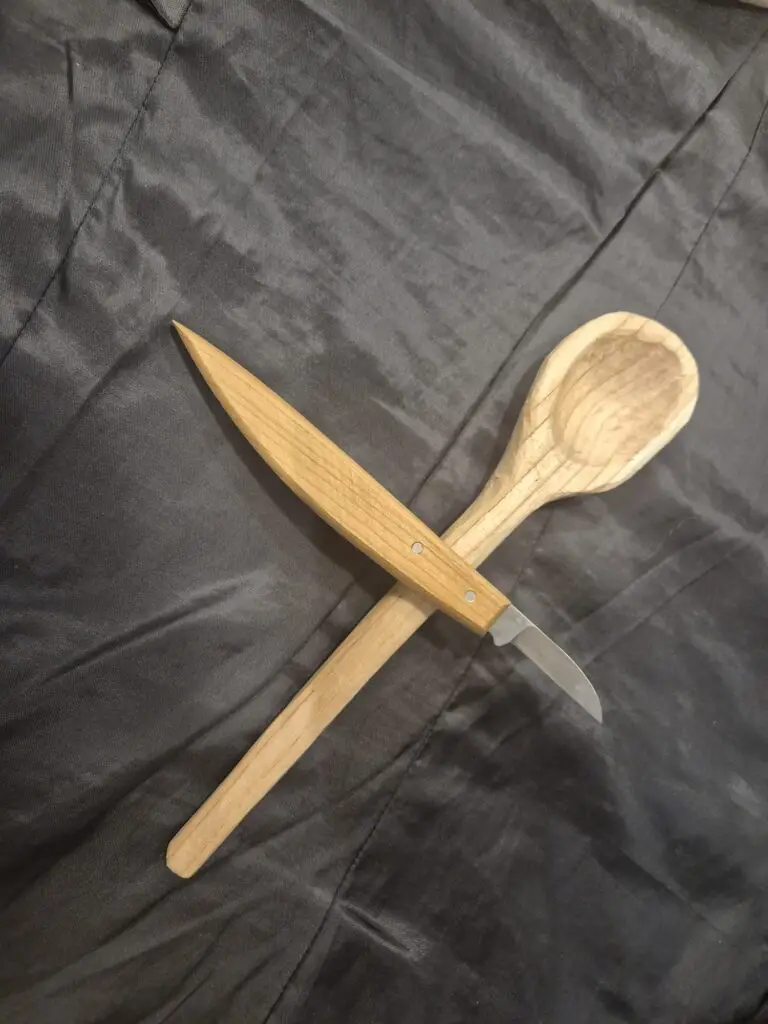
This reminds me of the first time I moved beyond small whittling to carve a spoon. Unlike a delicate figurine, a spoon usually starts with a rough, heavy branch. Your first task isn’t to pick up a tiny detailing blade; it’s to grab a pencil, draw a crude shape, and start axing.
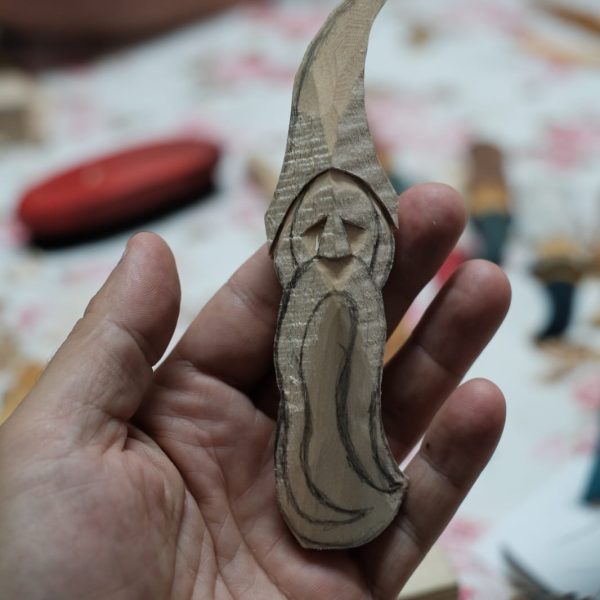
At this stage, it isn’t pretty. There is no polish. But very quickly, a round head and a thin handle begin to emerge from the wood. In Project Management, we call this the Work Breakdown Structure (WBS)—the “Rough Cut” that turns a massive goal into manageable chunks.
Why the “Rough Cut” is Vital
-
- Speed and Efficiency: Trying to do “big block” work with a detailed knife takes ages. In projects, if you start planning and executing micro-tasks before you have the big picture, you’ll spend forever spinning your wheels.
-
- The Right Tool for the Right Phase: You need an axe for the start, then a detailing knife, and finally a hook knife for the bowl. In a project, you must define the high-level goals and the “big picture” before handing it off to R&D, Marketing, or Design, or they will get lost in the grain.
-
- Momentum and Team Spirit: Progress is fuel for a team. Moving from the axe to the knife—or from the Design phase to R&D in your Asana waterfall—provides tangible milestones. Seeing the “handle” and “bowl” of the project emerge early keeps morale high and ensures the project doesn’t feel like an endless, unshaped log.
-
- Defining the Boundaries: The rough cut sets your “Project Boundaries”—the length, width, and depth. It tells the team what is “In Scope” and, more importantly, what we are not carving so we don’t end up with a toothpick.
The Workman’s Tips
-
- Don’t Fear the Axe: Early in a project, be aggressive about removing what doesn’t belong. It’s much easier to plan ahead than to try and glue a “broken” budget back together later.
- Mark Your Lines Constantly: As you axe away the waste, your pencil marks will disappear under the wood chips. You must constantly redraw your boundaries to ensure “Scope Creep” doesn’t turn your project into a bloated “Log”.
- Identify the “Knots”: Look for the difficult areas or risks early in the rough cut. Knowing where the wood is toughest allows you to adjust your swing before you commit to a delicate detail.
What’s the “big block” on your desk right now? Are you trying to carve it with a toothpick, or is it time to pick up the axe?
Let me know in the comments—I’d love to hear how you’re breaking down your big goals this quarter.


2 Responses
I am regular visitor, how are you everybody? This post posted at this website is
truly nice.
Thank you, glad you liked it!